






Commission on Higher Education (CHED) Chair Shirley Agrupis is facing growing scrutiny over her frequent foreign engagements, prompting questions on whether she has become the most traveled chairperson in the agency’s history—and what Philippine higher education has gained from her trips abroad.
Agrupis’ increasingly visible presence in international meetings has drawn attention from critics and education sector observers, who are now calling for greater transparency on the number, cost and outcomes of her overseas travels.
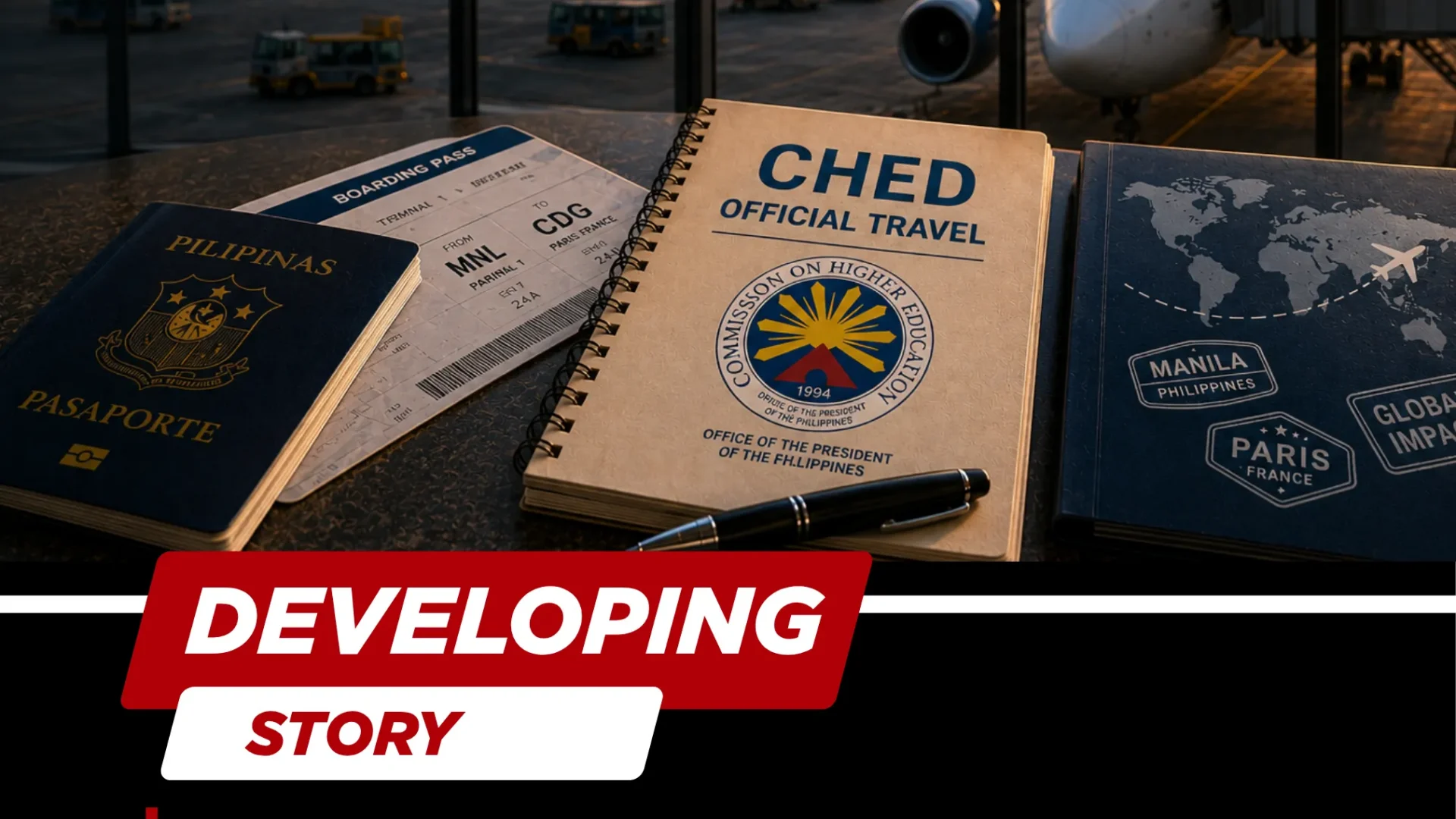
Her latest trip to Paris has brought the issue back into focus.
In a social media post, Agrupis described the extreme heat in the French capital, saying temperatures had reached 43 degrees Celsius and were “too hard to tolerate/survive.”
She also made broad observations about Paris’ preparedness for climate change, claiming the “world’s famous City apparently is not ready or have not anticipated that climate change was coming.”
Agrupis went on to point to the lack of air-conditioning in homes, apartments, some hotels and public establishments, saying there was “practically NO place to hang on” amid the heat.
The remarks raised eyebrows over the tone of a senior Philippine government official commenting publicly on conditions in a host country while attending an international engagement.
Agrupis ended her post with a call to action on climate change: “LET US save our planet EARTH.”
The post drew reactions online, including one social media user who remarked: “Let’s save our planet earth tapos nag travel sa Paris. Hahaha.”
Beyond the social media exchange, however, questions over Agrupis’ foreign travel remain.
Critics have begun asking whether her overseas schedule has surpassed those of previous CHED chairpersons. A review and public disclosure of CHED’s official travel records could establish the number of trips Agrupis has taken, their sources of funding and the measurable outcomes of each engagement.
Foreign travel is not unusual for the head of CHED, particularly as Philippine universities expand international partnerships and participate in regional and global education initiatives.
But observers say the frequency of such engagements should be matched by clear and tangible benefits for the country’s higher education sector.
How many overseas trips has Agrupis taken since assuming office? How much has been spent on these engagements, and what concrete programs, partnerships or opportunities for Filipino students and institutions have resulted from them?
At a time when CHED continues to face pressing concerns at home, the growing attention on Agrupis’ international travel is unlikely to disappear without greater transparency.
Whether Agrupis is indeed CHED’s most traveled chairperson can be settled by the records. The more important question is what Philippine higher education has gained from all the miles traveled.